Natural Dyeing at Home: Getting Started with Onion Skins, Avocado Pits, and Other Kitchen Scraps
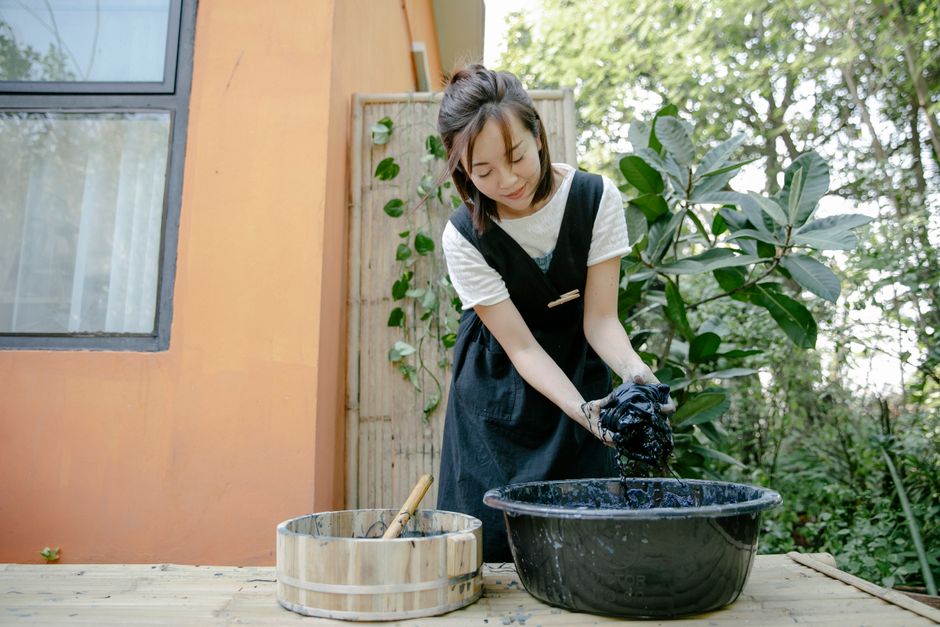
There's something almost alchemical about pulling a piece of cloth out of a pot of simmering onion skins and watching it turn a warm, honeyed gold. Natural dyeing connects you to a tradition that predates synthetic dyes by thousands of years, and it's more accessible than most people expect. You don't need mordants shipped from a specialty supplier or a dedicated studio. You need a stainless steel pot you don't cook food in anymore, some plant material, and a willingness to experiment.
The results are never quite predictable, and that's part of the appeal. Every batch depends on the fiber, the water, the age of the dye material, and a dozen small variables. You learn to let go of exact outcomes and enjoy the process.
What You Can Dye With (and What You'll Get)
Onion skins are the classic beginner's dye. Yellow onion skins give a warm amber; red onion skins lean toward olive and bronze. Save them in a bag in the freezer until you have a few cups' worth, then simmer them in water for an hour to extract the color.
Avocado pits and skins are another favorite. They produce a range of dusty pinks and blush tones, especially on protein fibers like silk and wool. The trick is patience—the color often deepens as the fabric dries and oxidizes.
Other kitchen and garden sources worth trying: black tea (tan to brown), coffee grounds (warm brown), turmeric (bright yellow, though it fades in sunlight), red cabbage (blue-purple on its own, but it shifts with pH), and marigold petals (golden yellow). Outside the kitchen, you can forage walnut hulls for deep brown, or grow dye plants like madder and weld if you want to go deeper.
Protein fibers—wool and silk—take dye most readily and produce the richest colors. Cellulose fibers like cotton and linen need more preparation and often benefit from a mordant to help the color bond.
The Basic Process, Simplified
Start with clean fabric. If you're dyeing cellulose fibers, a pre-soak in a mordant solution helps the color stick. Alum is the most common mordant and is relatively safe to work with; a few tablespoons dissolved in hot water, then soaked into the fabric for an hour, is a reasonable starting point. Always work in a well-ventilated space and use dedicated pots and utensils—never ones you'll cook with again.
To make the dye bath, simmer your plant material in water for about an hour, then strain out the solids. Add your pre-wetted fabric and simmer gently for another hour, stirring occasionally. Let it cool in the bath overnight for deeper color. Then rinse in cool water until the water runs clear, and hang to dry away from direct sun.
Expect the colors to be softer and more muted than synthetic dyes, and expect them to shift over time. Some, like turmeric, fade quickly. Others, like indigo and walnut, are remarkably lightfast. Keep notes on what you used and how it turned out—your dye journal will become the most useful tool you own.
Natural dyeing is slow, imperfect, and deeply satisfying. It turns kitchen waste into color, teaches you about the fibers you wear, and gives you a reason to slow down and pay attention. Start with onion skins. See what happens.