Reading a Fiber Label: A Beginner's Guide to Natural, Semi-Synthetic, and Synthetic Textiles
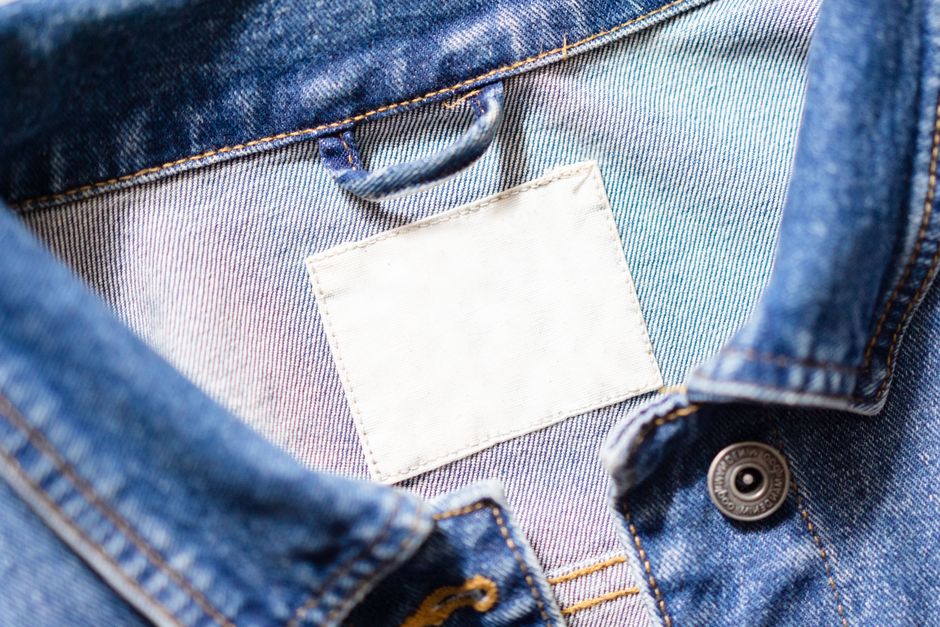
The tag inside your collar is one of the most information-dense pieces of writing you'll encounter all day, and most of us ignore it completely. But once you start reading fiber labels, you can't unsee them. That blend of polyester and elastane tells you something about how the garment will wear, how it will wash, how it will feel against your skin, and what happens to it at the end of its life.
Fiber content matters because different fibers behave differently—and because the way they're produced has wildly different environmental footprints. Understanding the basics won't make you a textile scientist, but it will make you a much sharper shopper.
The Three Broad Families
Natural fibers come from plants or animals: cotton, linen (from flax), hemp, wool, silk, and less common ones like ramie, alpaca, and cashmere. They tend to breathe well, age gracefully, and biodegrade. But "natural" doesn't automatically mean "sustainable." Conventional cotton is notoriously thirsty and heavily treated with pesticides, while organic cotton is grown with far lower chemical inputs. Wool from well-managed flocks can support grassland ecosystems; wool from poorly managed operations can contribute to land degradation. The fiber is only half the story—the farming and processing matter just as much.
Semi-synthetics are made from natural cellulose that's chemically transformed. The big three are viscose (also called rayon), modal, and lyocell (often sold under the brand name Tencel). They feel soft, drape beautifully, and are often marketed as eco-friendly. The reality is more nuanced. Viscose production has historically involved harsh chemicals and significant deforestation risk, though certification schemes have improved things. Lyocell, which uses a closed-loop solvent process, is generally considered the most responsible option in this family. When you see "viscose" on a label, it's worth asking where the wood pulp came from.
Synthetics are made from petroleum: polyester, nylon, acrylic, elastane (Spandex). They're durable, cheap, and stretchy, which is why they dominate fast fashion. They also shed microplastics in the wash, don't biodegrade, and are a major source of textile waste. That said, recycled polyester from PET bottles has a real place in durable goods like outerwear and backpacks, where performance matters and the alternative might be worse.
What to Actually Look For
Start by reading the whole label, not just the first fiber listed. A shirt that's 95% cotton and 5% elastane behaves very differently from 100% cotton—the elastane adds stretch and helps it hold shape, but it also means the garment can't be easily composted or recycled as pure cotton. Blends aren't inherently bad, but they do complicate end-of-life options.
Look for certifications when you can: GOTS for organic cotton, RWS for responsible wool, Oeko-Tex for chemical safety, and FSC for wood-pulp-based fibers. These aren't perfect guarantees, but they're meaningful signals that someone has checked.
And pay attention to how the fabric feels and behaves. Does it pill immediately? Does it hold a crease? Does it feel clammy or breathable? Your hands often know before the label tells you.
Reading labels is a small habit with a long tail. Do it for a month and you'll start to notice patterns—which brands are honest about their materials, which ones hide behind vague language, and which fibers you actually reach for again and again.