The Case for Buying Less: Building a Wardrobe That Actually Works
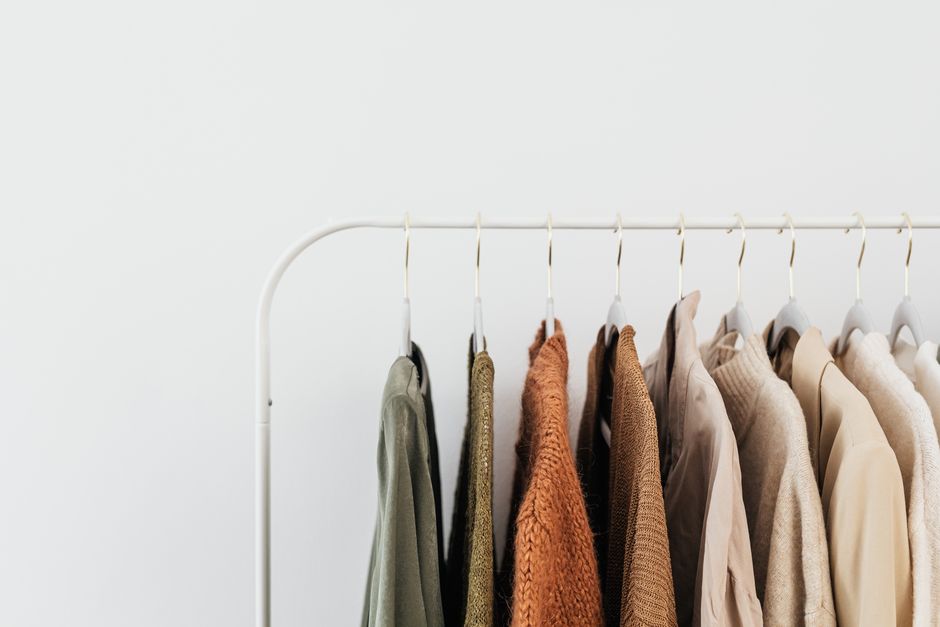
Most of us have stood in front of a closet full of clothes and felt like we had nothing to wear. It's a strange paradox, and it points to something real: volume isn't the same as usefulness. A wardrobe stuffed with impulse buys, sale rack finds, and things that almost fit is harder to use than a smaller one where everything works.
The case for buying less isn't about asceticism or guilt. It's about clarity. When you know what you own and why, getting dressed becomes easier, shopping becomes more intentional, and the clothes you do buy tend to last longer because you actually wear them.
Start With What You Have
Before buying anything new—or even deciding what you need—take everything out. All of it. Lay it on the bed or the floor. This is the part most people skip, and it's the most important step. You can't build a better wardrobe without knowing what's already in it.
As you go through each piece, ask a few simple questions. Does it fit? Not "will it fit if I lose ten pounds"—does it fit now, comfortably, in a way that makes you feel good? Have you worn it in the past year? If not, why? Sometimes the answer is seasonal, sometimes it's that it never quite worked, and sometimes it's that you forgot it existed. Be honest about which is which.
Set aside the pieces that don't work. Some can be mended, altered, or restyled. Some can be sold, swapped, or donated. Some are simply done, and that's okay. The goal isn't to purge for the sake of purging—it's to see clearly.
What's left is your actual wardrobe. It's probably smaller than you thought, and it probably contains a handful of pieces you reach for constantly. That's useful information.
Fill the Gaps Deliberately
Once you know what you have, the gaps become obvious. Maybe you have five pairs of jeans and no comfortable shoes. Maybe you have plenty of summer dresses and nothing warm enough for winter. Maybe you have a dozen black tops and no color at all.
Write the gaps down. Then wait. A waiting period—a few weeks, a season—separates genuine needs from momentary wants. If you still need it in a month, you'll know it's real.
When you do buy, buy well. That doesn't always mean expensive; it means choosing materials and construction that will hold up, from brands whose practices you can stand behind. A well-made linen shirt that lasts five years is a better deal than three cheap ones that pill and fade in six months. Look for natural fibers, sturdy seams, and a fit you don't have to talk yourself into.
And when something wears out, repair it before replacing it. Mending is the natural companion to buying less—it's what keeps a small wardrobe functional over time.
A wardrobe built this way tends to feel less like a collection and more like a toolbox. Everything has a purpose. Everything fits. And getting dressed in the morning becomes, quietly, one of the easiest parts of your day.