Repair as a Skill: Five Fixes Every Closet Should Know
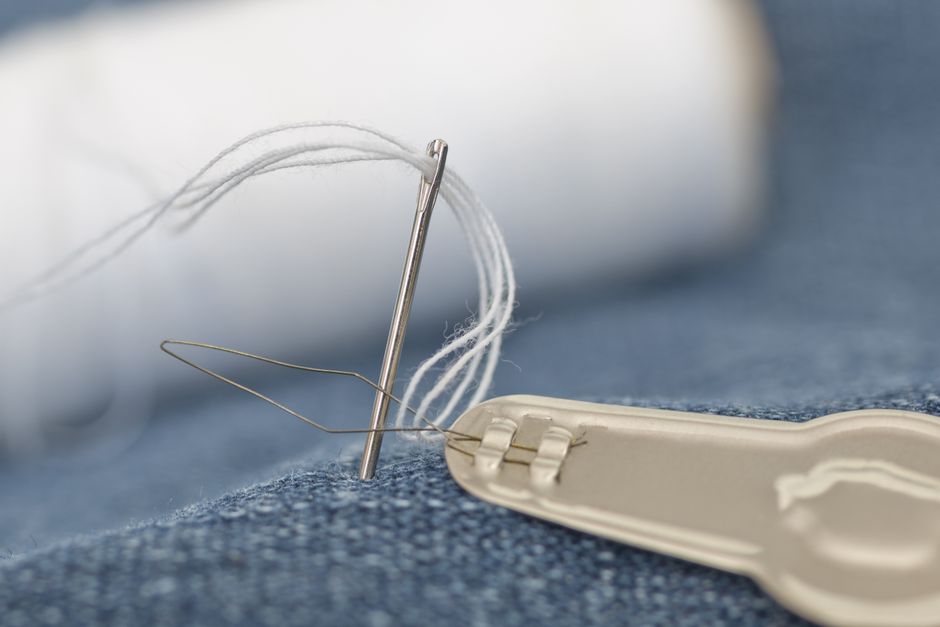
The most sustainable garment is the one you already own, and the fastest way to keep owning it is to know how to fix it. Repair skills have faded from everyday life, but they are learnable in an evening and useful for decades. You don't need a sewing machine or a tailor's certificate—just a basic kit, decent light, and the willingness to make a few wonky stitches before you get good.
Start with a small kit: needles in a few sizes, thread in black, white, navy, and grey, a seam ripper, small scissors, and a thimble if you like one. Keep it somewhere visible. Repair happens when the tools are within reach.
The Five Fixes Worth Learning First
1. Reattaching a button. Thread a needle, knot the end, and sew through the buttonholes several times, using a toothpick or matchstick under the button to leave a little shank so the fabric isn't strained. Finish with a few wraps around the threads beneath the button, then knot and trim.
2. Fixing a dropped hem. Turn the hem back up and pin it. Use a ladder stitch—small, nearly invisible stitches that catch a thread of the outer fabric and a thread of the hem—so the repair disappears. Press with an iron when done.
3. Closing a seam split. Turn the garment inside out, align the raw edges, and backstitch along the original seam line. If the fabric has frayed, trim the loose threads first and stitch slightly inside the old line.
4. Darning a small hole. For knits and socks, a simple woven darn works: stretch the hole over a darning mushroom or a jar, then weave horizontal and vertical threads across it, alternating over and under. It won't be invisible, but it will be strong.
5. Patching a worn knee or elbow. Iron-on patches are quick but peel; sewn patches last. Cut a patch slightly larger than the worn area, pin it inside or outside, and stitch around the edges with a simple running stitch or blanket stitch.
Making Repair a Habit
The real trick is not skill but timing. Set aside one evening a month—call it a mending hour—and deal with the pile before it grows. Put on music, make tea, and work through it. Children can learn alongside you; a nine-year-old can sew on a button with supervision.
Over time, you'll notice something shift. Clothes stop feeling disposable. A small stain or tear becomes a prompt for care rather than a reason to replace. That shift—from consumer to custodian—is the heart of a wiser wardrobe.