Secondhand First: How to Build a Thrifted Wardrobe You'll Actually Keep
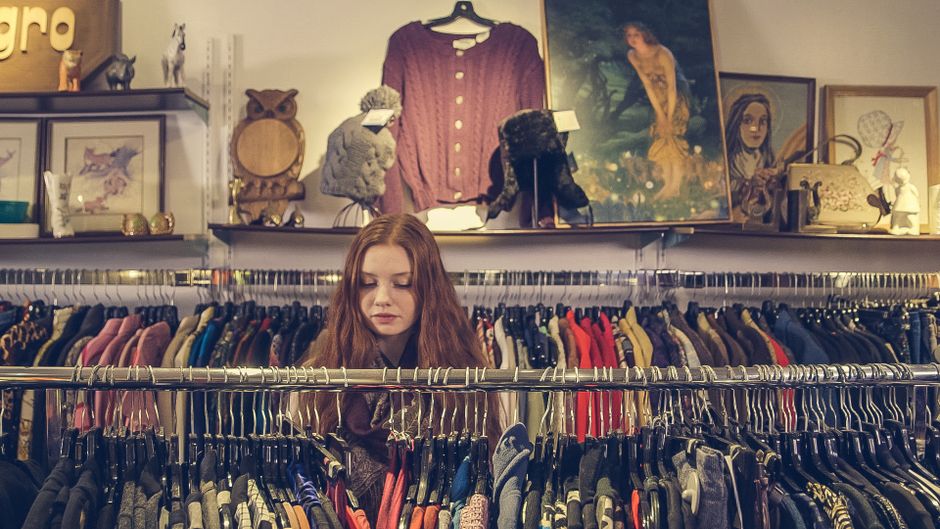
There is a particular kind of joy in finding a well-made wool coat on a charity shop rack for the price of a sandwich. But secondhand shopping has a shadow side: it is easy to trade one form of overconsumption for another. A wardrobe stuffed with cheap thrifted finds you never wear is not much better than one stuffed with fast fashion. The goal isn't to buy more just because it's secondhand—it's to buy better, and to keep what you buy.
The first shift is mental. Treat a thrift store the way you'd treat a good boutique: go in with a list, not a mood. Before you shop, spend ten minutes in your own closet. What's missing? A warm layer for autumn? A shirt that works for both work and weekends? Knowing your gaps keeps you from coming home with three novelty blazers and no trousers.
Learn to Read Quality in Thirty Seconds
Secondhand shopping rewards a little knowledge. Run your fingers along a seam—are the stitches tight and even, or loose and skipping? Check the fabric content tag if there is one; natural fibers like wool, linen, and cotton tend to age far more gracefully than polyester, which pills and holds onto odors. Pick up a garment and let it hang: does it keep its shape, or does it sag? Look at high-wear areas—underarms, elbows, the seat of trousers—for thinning or stains that won't come out.
Buttons and zippers tell you a lot too. Metal zippers and real horn or shell buttons usually signal a garment that was made with some care. Plastic zippers aren't automatically bad, but combined with thin fabric and sloppy seams, they suggest something that was never meant to last. None of this is snobbery—it's just a filter that saves you from bringing home clothes that will fall apart in a month.
Fit, Alteration, and the Long Game
The single biggest reason thrifted clothes end up unworn is fit. A jacket that's slightly too big in the shoulders or a dress that's two inches too long can often be fixed by a tailor for a modest sum—usually far less than buying new. Before you dismiss a piece, ask: could this work with a simple alteration? Hemming, taking in a waist, or shortening sleeves transforms the ordinary into the personal.
Finally, give yourself permission to walk away empty-handed. Some trips yield nothing, and that's fine. The point of a secondhand-first wardrobe isn't to prove you can thrift—it's to end up with clothes you reach for again and again, each with a small story attached. Buy less, choose carefully, and repair what you love. That's a wardrobe that lasts.