The Hidden Cost of a Cheap T-Shirt: What Fast Fashion Leaves Behind
It is easy to feel paralyzed by what we learn about fast fashion. The water, the chemicals, the wages, the waste—the scale is staggering, and the temptation is either to ignore it all or to spiral into guilt about every purchase. Neither response helps. What helps is understanding the system clearly enough to make better choices, most of the time, without demanding perfection of ourselves.
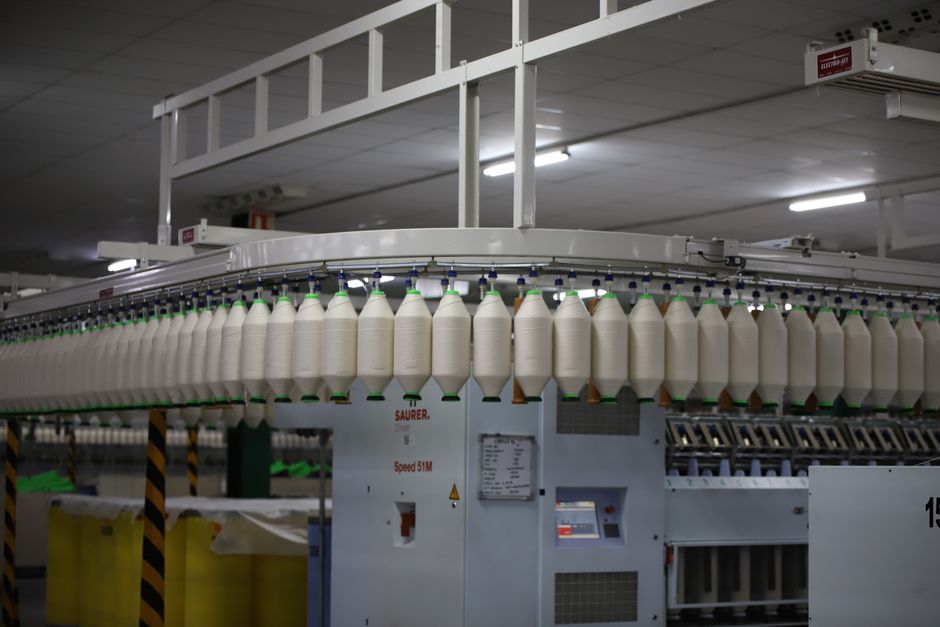
Consider the journey of an inexpensive cotton T-shirt. Cotton is a thirsty crop, and conventional cotton relies heavily on pesticides. Turning that cotton into fabric involves dyeing and finishing, often with chemicals that require careful treatment to avoid polluting local waterways. The shirt is then cut and sewn, frequently in factories where workers face long hours, low pay, and pressure to meet tight deadlines. After purchase, it may be worn a handful of times before losing shape, pilling, or going out of style.
Why the Price Is So Low
None of these steps are inherently unethical. The problem is the pressure to drive costs down at every stage, which pushes environmental and human costs off the balance sheet and onto someone else—often communities far from the people buying the shirt. When a garment costs less than a coffee, something in the chain is being undervalued: the farmer, the sewer, the river, or the future.
This isn't an argument for expensive clothes as a moral badge. Plenty of costly garments are made under the same conditions, with better marketing. Price alone tells you little. What tells you more is transparency: does the brand name its factories? Publish a supplier list? Talk about wages and chemical use in specifics rather than vague promises? A brand that answers hard questions is more trustworthy than one that simply uses green imagery.
What You Can Actually Do
You don't have to overhaul your entire wardrobe overnight. Start where you are. Buy fewer, better-loved pieces when you can. Choose secondhand first for basics. Learn to spot quality so your clothes last longer. Repair what you own. When you do buy new, support brands that are honest about their supply chains, even if they aren't perfect.
And talk about it. Conversations with friends, questions to brands, and small shifts in habit add up. The goal isn't a guilt-free closet—there is no such thing—but a more honest one. Every garment has a story. Knowing a little more about it is the beginning of wearing wisely.